Need More
Information?
Information?


If you have a picky eater at home, you know that getting a child to try something new can feel like a monumental accomplishment. And when their list of acceptable foods seems to consist mostly of crackers, pasta, cereal, and other carb-heavy favorites, you may worry about how their diet is affecting their teeth.
The good news? You don’t have to completely overhaul your child’s diet overnight. A gradual, low-pressure approach can help expand their palate while introducing more foods that support a healthy smile.
(more…)
Showing off your smile might seem like a small act, but it can offer a big change in your overall well-being. It may seem odd that this innocent habit can do wonders, but it can help you feel your best. In fact, if you have undergone cosmetic dentistry, then you may reap the benefits even more as you flash your grin more often. Here are five ways this reaction improves your health.
(more…)
Dentures are life-changing for many patients because they can improve bite force, enhance aesthetics, ensure better oral health, and provide greater speech clarity. Of course, with every new set of teeth crafted and placed, an individual can expect to go through an adjustment phase. What will you sound like when trying to speak? How can you hurry the process and start sounding “normal” again? Keep reading to discover a few tips to help you on your journey.
(more…)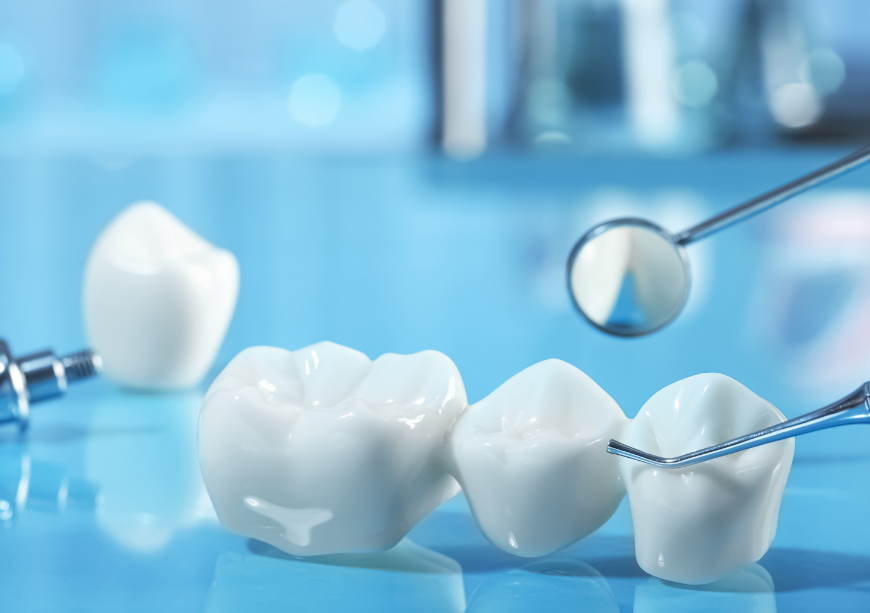
For much of human history, a damaged tooth was seen as a problem with a simple solution: remove it. Pain, infection, or breakage often meant extraction was the only option. Today, that mindset has shifted dramatically. Dental crowns now play a key role in protecting and preserving natural teeth—but it took centuries of experimentation, innovation, and changing philosophies to get here.
Understanding the history of dental crowns offers a fascinating look at how far dentistry has come and why preservation is now the gold standard.
Before modern dentistry, dental care focused more on relief than restoration. If a tooth hurt or became damaged, removing it was often the safest and fastest solution. Tools were primitive, pain management was limited, and the idea of reinforcing a compromised tooth simply didn’t exist.
That said, early civilizations still recognized the importance of teeth for both function and appearance. Archaeological evidence suggests that as far back as ancient times, people experimented with tooth coverings made from materials like gold, animal teeth, and carved bone. These early efforts weren’t restorative in the modern sense, but they laid important groundwork.
Some of the earliest documented dental crowns are associated with ancient cultures such as the Etruscans. Evidence suggests they used gold bands and coverings to stabilize or replace missing teeth, potentially as early as several centuries before the common era. While historians debate exact timelines, it’s clear that these early crowns were more about status and aesthetics than long-term oral health.
By the Roman era and into the Middle Ages, dentistry remained inconsistent. Tooth extractions were common, and restorative techniques were rare and largely limited to the wealthy. Crowns existed, but they were not widely accessible or clinically reliable.
The real turning point came much later, as dental science began to prioritize saving natural teeth whenever possible. Advances in anatomy, hygiene, and materials helped dentists better understand how to protect damaged teeth instead of removing them.
Porcelain, ceramics, and metal alloys introduced in the 18th and 19th centuries allowed crowns to become more functional and durable. Rather than serving as decorative caps, crowns evolved into protective restorations designed to strengthen weakened teeth, restore bite function, and prevent further damage.
Today’s dental crowns are the result of decades of refinement. They’re carefully designed to match natural tooth shape, color, and strength, all while protecting the remaining tooth structure underneath. The goal is no longer to simply cover a problem, but to preserve the tooth for as long as possible.
This evolution reflects a broader shift in dentistry—from reactive treatment to proactive, preservation-focused care. Crowns now represent a commitment to maintaining natural teeth, supporting oral health, and improving quality of life.
Dental crowns may seem like a modern convenience, but their history tells a much bigger story about how dentistry learned to protect what matters most.
Renaissance Dental is a comprehensive dental care practice located in Fort Worth, Texas, dedicated to helping patients of all ages achieve and maintain healthy, confident smiles. The team at Renaissance Dental focuses on providing high quality dentistry in a warm, welcoming environment where patients feel comfortable and valued. Their skilled clinicians offer a wide range of dental services, from routine checkups and preventive care to restorative treatments designed to strengthen and protect natural teeth. The practice emphasizes personalized care, helping patients make the most of their dental insurance benefits, offering patient-centric appointment hours, and delivering attention that supports long‑term oral health.
Call us at (817) 289-5200 or request an appointment online.

One of the most prevalent oral health issues out there is cavities. They are likely to affect anyone at some point in their life, but why are they so widespread? Candy and sugar are often the main culprits, but some sneaky foods can increase your risk of this dental problem if you aren’t careful. To help keep your smile in great shape, here are four other items that can lead to decay that might surprise you.
(more…)
If your smile has flaws, then you may be looking for ways to fix them. Online, you likely ran into a wide range of cosmetic dental treatments that promise the results you love. However, you maybe came across plenty of myths about them. You may feel hesitant choosing these services because of them, so here’s the truth behind three misconceptions you might’ve read or heard about.
(more…)
Dentures can restore not just your smile, but also your confidence, comfort, and ability to enjoy everyday activities like eating and speaking. However, just like natural teeth, dentures require proper care to stay clean, comfortable, and long-lasting. Whether you have full or partial dentures, following a few simple habits can help you keep them in top condition for years to come. Here are 5 essential tips for taking care of your dentures.
(more…)
Teething is a milestone in your baby’s development, but it can be a difficult stage for both babies and parents. As those first little teeth start to push through the gums, your child may experience discomfort, fussiness, and interrupted sleep. While teething is temporary, sleepless nights can feel endless. The good news is that there are gentle, effective strategies to help soothe your baby and encourage more restful sleep. Here are 5 ways to make teething easier for your little one and for you.
(more…)
Not every tooth trouble is a dental emergency—but some absolutely are! Knowing the difference can save your teeth, reduce pain, and prevent bigger problems down the line. If you’re wondering whether to call the dentist now or wait it out, this guide can help. Continue reading to find five signs that it’s time to get urgent dental care from a dentist near you.
(more…)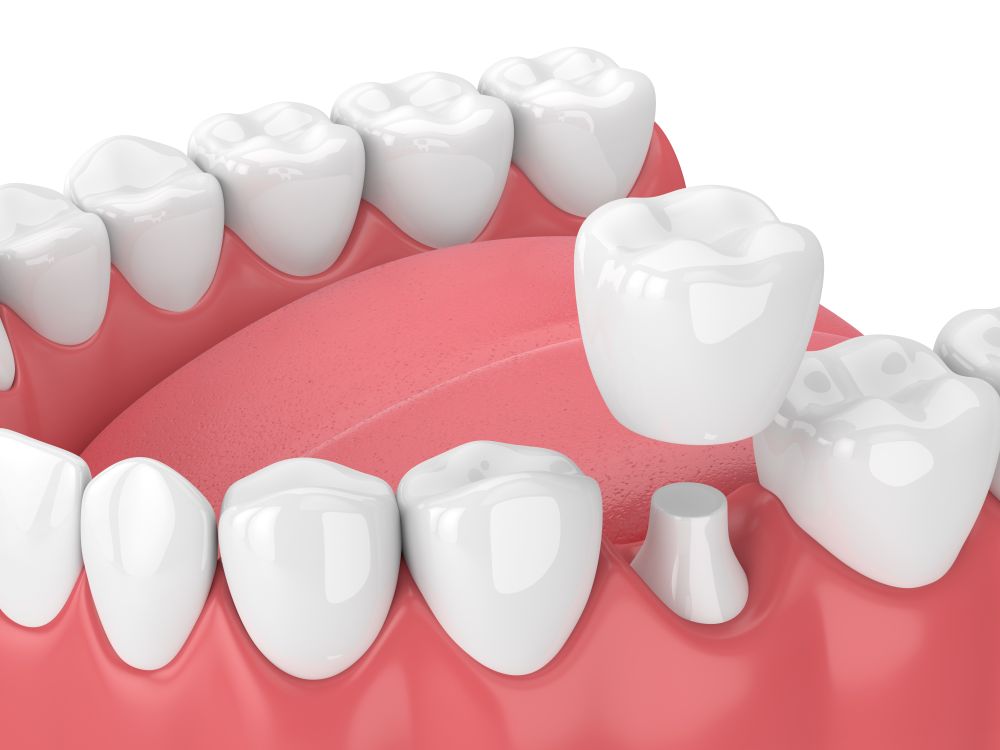
If you have a tooth with a large cavity, crack, or excessive decay, your dentist may have recommended a dental crown. These deluxe restorations can repair extensive tooth damage, all the while helping to protect the tooth structure so it can remain in your mouth without the need for extraction and replacement. If you’re wondering what to expect in the days following your placement, here’s a quick guide to the recovery process and why getting a crown is definitely a reason to smile!
(more…)